
Beaches and Cenotes · Travel Guide
Best Cenotes Near Akumal (2026)
Updated July 26, 2026 · 8 min read
The Yucatán Peninsula sits on top of the longest underground river system on Earth — more than 1,000 kilometers of flooded limestone caves — and every so often the roof collapses and opens a window to it. That window is a cenote. Akumal is one of the best bases in the Riviera Maya for cenote hopping: the nine cenotes below are all within a short drive, ordered from closest to farthest. They're especially convenient for guests staying at Santamar by TAO Akumal and Tulum Country Club, but they're worth the drive from anywhere in Akumal.
1. Cenote Azul
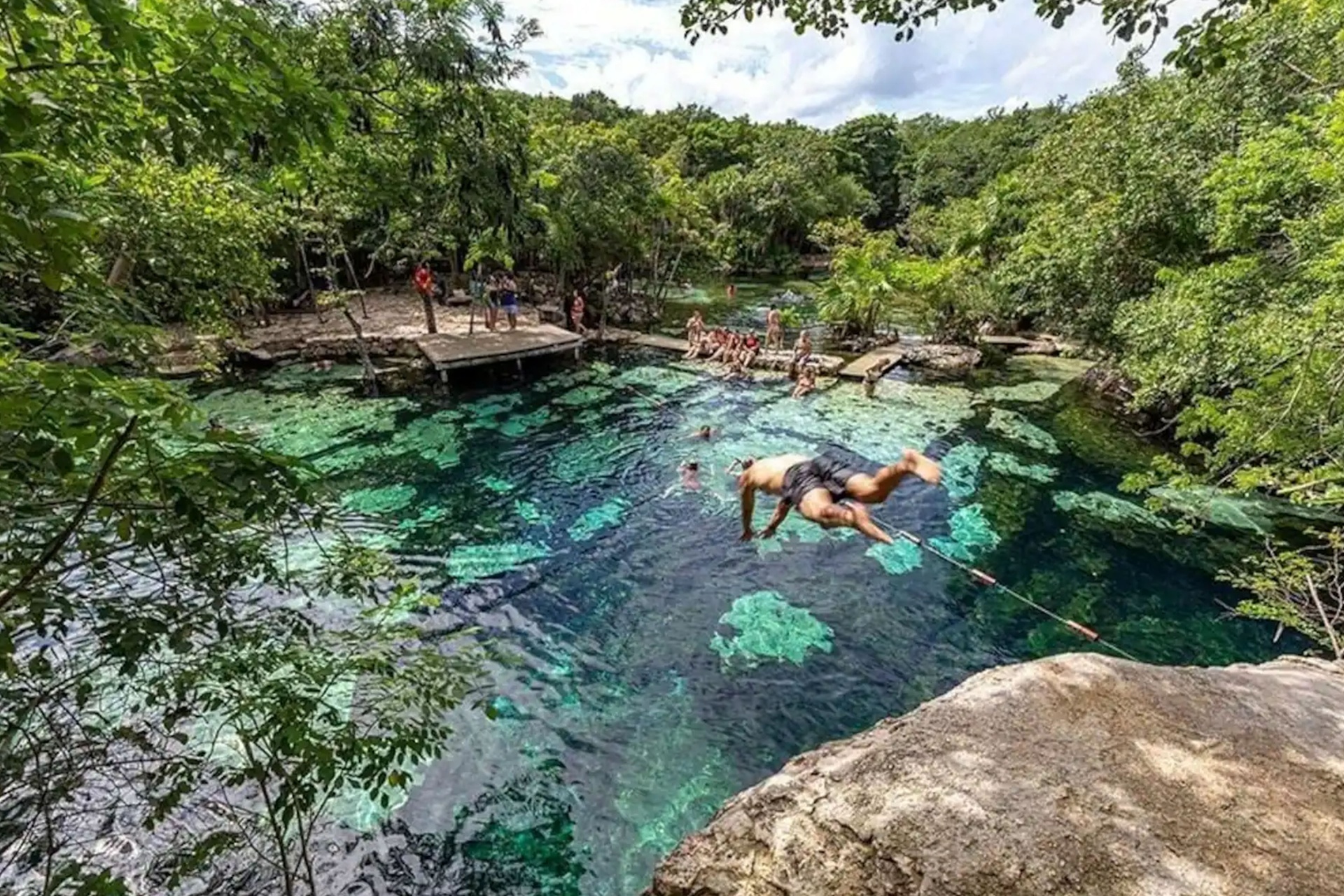
About 10 minutes south of Akumal. One of the Riviera Maya's most popular cenotes — a classic open cenote with crystal-clear water, shallow swimming areas perfect for families, and small cliff jumps for the more adventurous. Several connected pools, a wooden deck, and plenty of space to spread out. Entry is typically 200–250 MXN, cash only, and the site opens around 8:30 AM. Arrive early to beat the mid-day tour groups.
View on Google Maps2. Cenote Cristalino
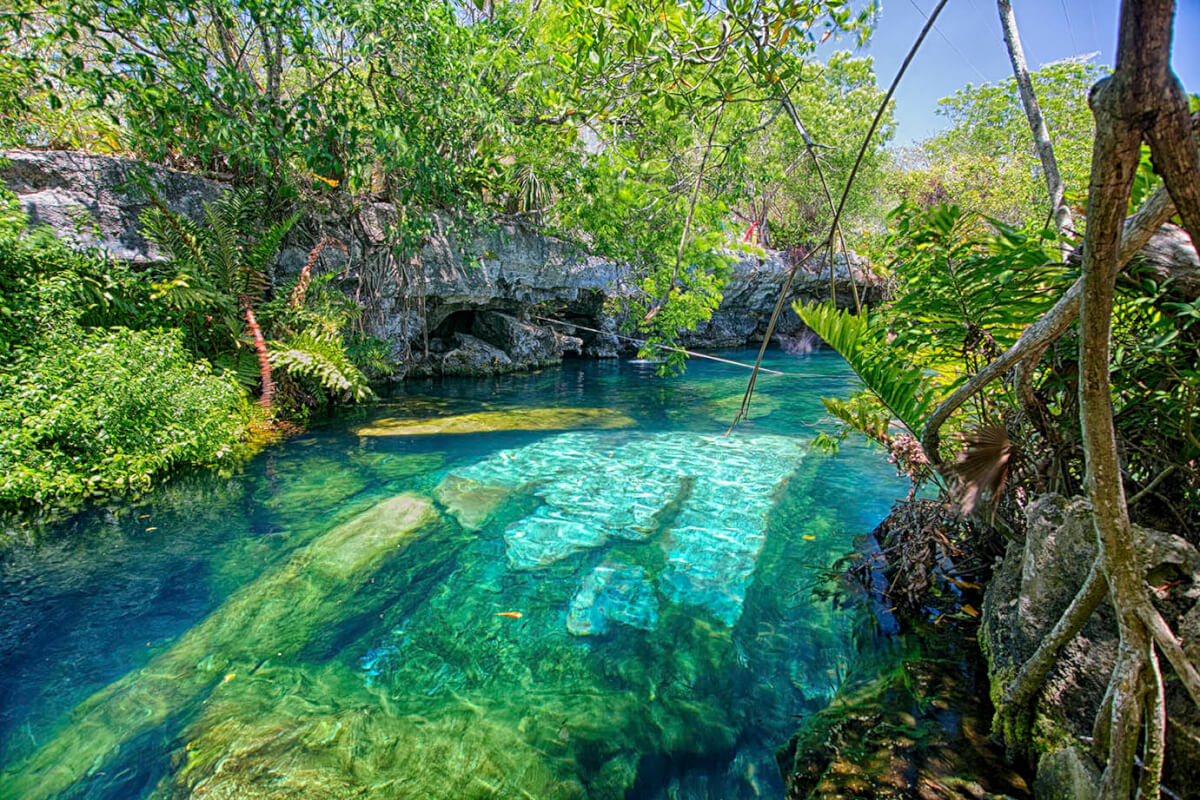
About 10 minutes south of Akumal. Right next door to Cenote Azul, Cristalino is a beautiful open cenote with a mangrove section, a small cliff jump (about 3–4 meters), and clear turquoise water full of tiny fish. Quieter than Azul, with shady palapa areas and easy ladder access. Entry is around 150–200 MXN, cash. Perfect to combine with Cenote Azul for a full cenote morning.
View on Google Maps3. Aktun Chen
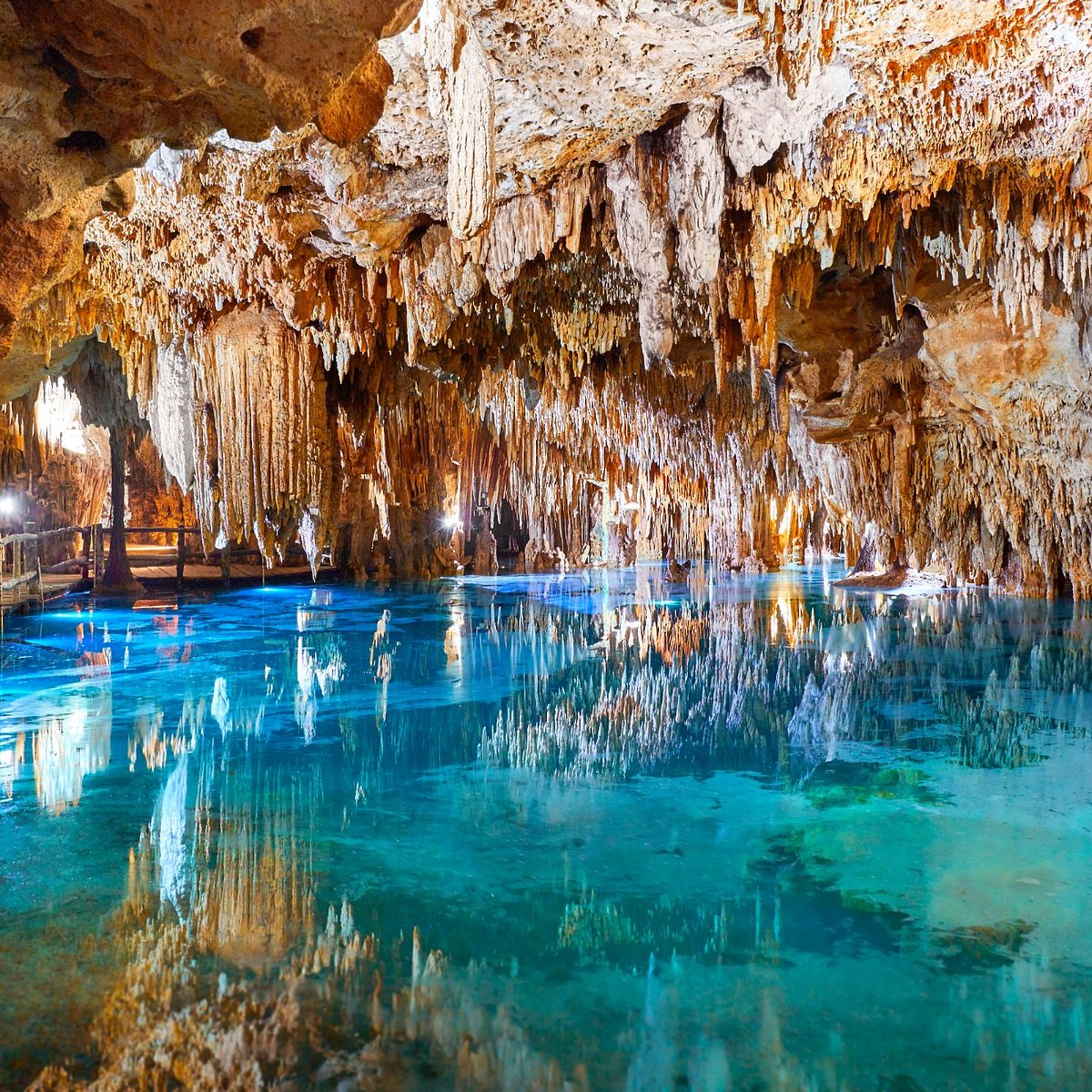
About 15 minutes from Akumal. A private eco-park just off Highway 307 with a spectacular dry cave tour, a crystal-clear cavern cenote for snorkeling, ziplines and a small wildlife area with spider monkeys. Great for families and first-time cavers — the guided cave walk is on solid, lit pathways, and the cenote inside the jungle is one of the prettiest around. Entry ranges from about $30–70 USD depending on the activity package.
View on Google Maps4. Dos Ojos
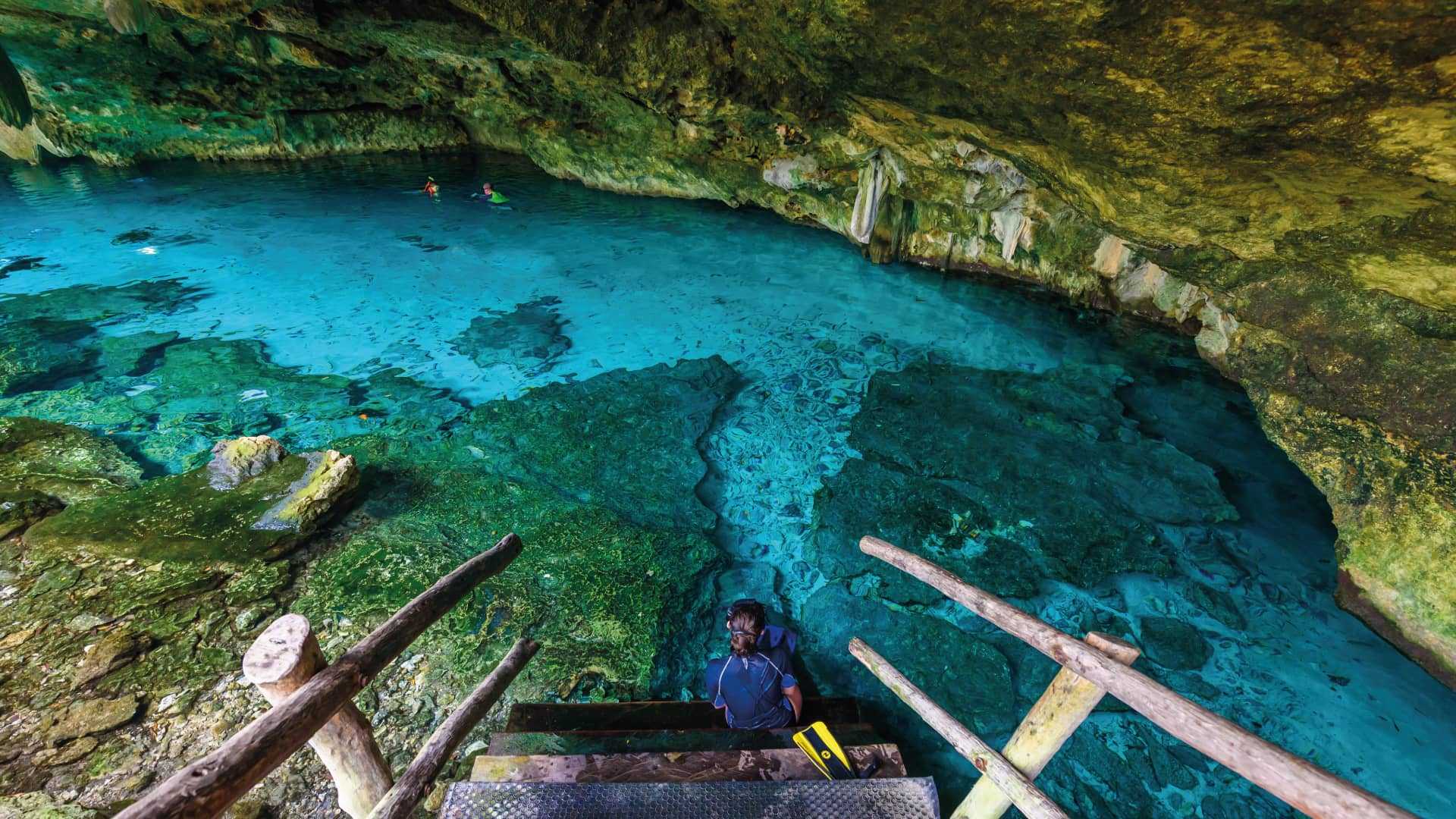
About 20 minutes from Akumal. One of Mexico's most famous cenotes, Dos Ojos ("Two Eyes") sits inside the Sac Actun cave system — the longest underwater cave system in the world. The "east eye" is bright and open, great for casual swimmers and snorkelers. The "west eye" leads into stunning cavern passages popular with divers. Entry to the park is around 450–500 MXN, and guided snorkel tours run roughly $25–40 USD per person.
View on Google Maps5. Cenote Nic Te Ha
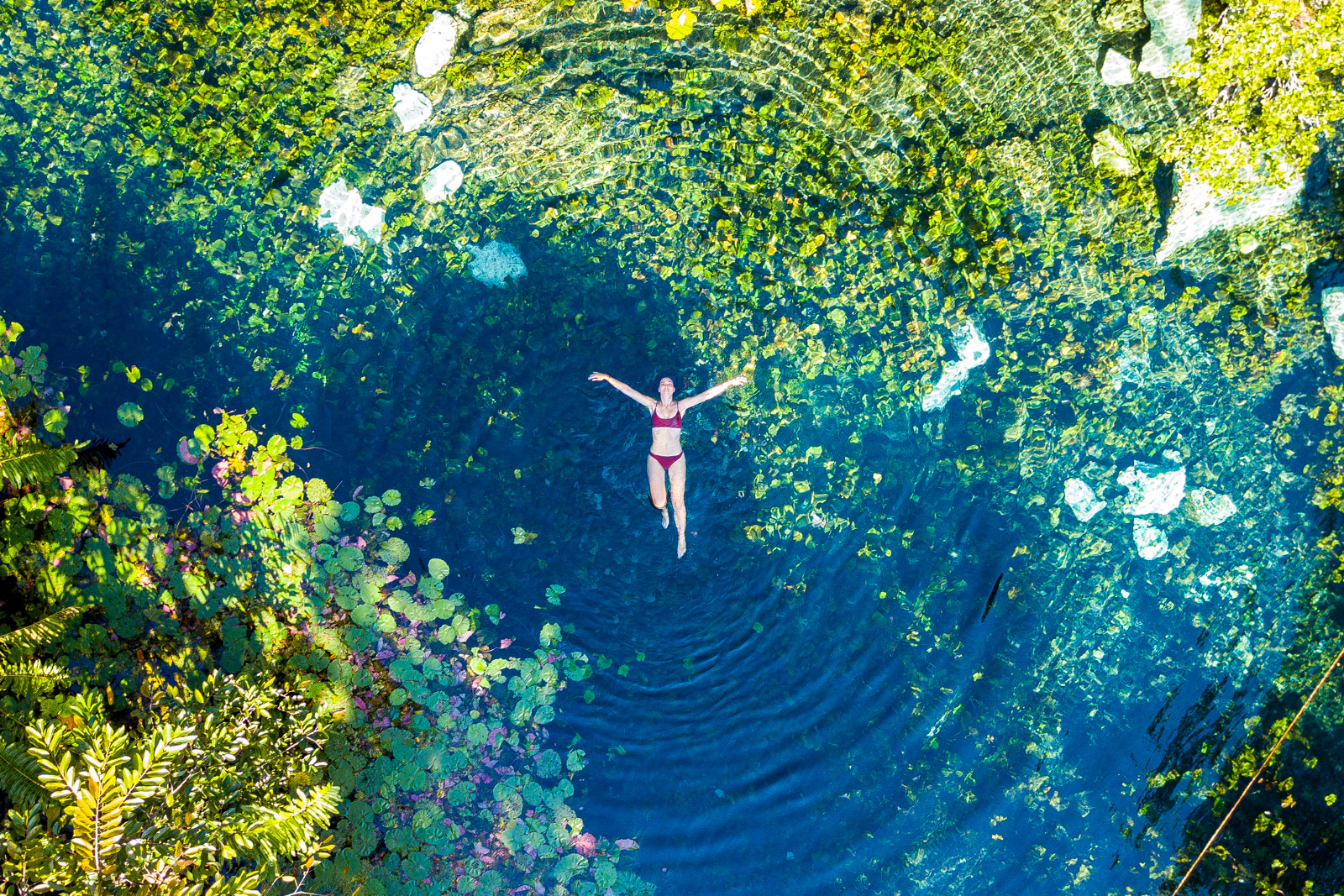
About 20 minutes from Akumal. Inside the same Dos Ojos park, Cenote Nic Te Ha is a shallow, sunlit cenote covered in water lilies — one of the prettiest spots in the whole system and a favorite for photographers and snorkelers. Calm, clear and rarely crowded, it's a great pairing with Dos Ojos or a quiet alternative when the main cenote is busy. Entry is included with the Dos Ojos park ticket.
View on Google Maps6. Taak Bi Ha
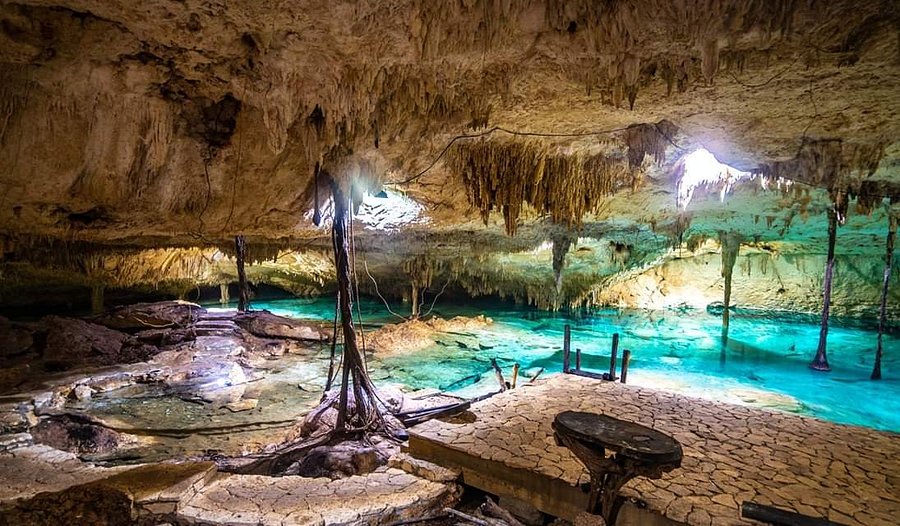
About 20 minutes from Akumal. A dramatic cavern cenote in the Sac Actun system with a wooden staircase that drops into a cathedral-like chamber of stalactites and glassy blue water. Perfect for guided snorkeling and cavern diving. Fewer visitors than Dos Ojos, so the water is often calmer and clearer. Entry is around 350–400 MXN, cash.
View on Google Maps7. Sac Actun
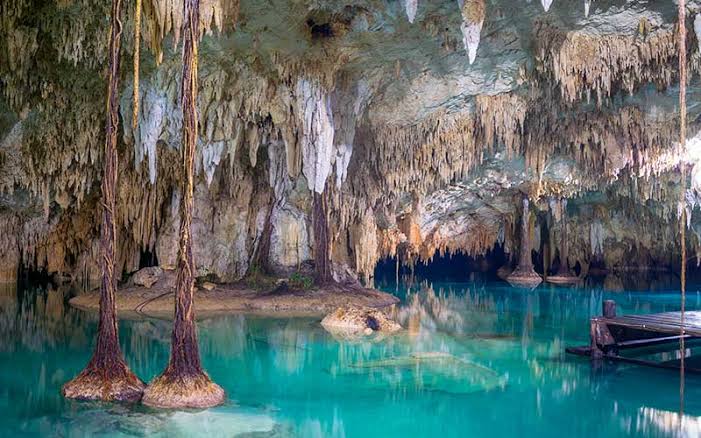
About 25 minutes from Akumal. Part of the longest known underwater cave system on the planet, Sac Actun ("White Cave") is best experienced on a guided snorkel tour that moves you through interconnected chambers, stalactites and shafts of light. It's the closest most travelers will get to feeling like an explorer. Tours typically run $40–60 USD per person and last about 90 minutes.
View on Google Maps8. Casa Tortuga
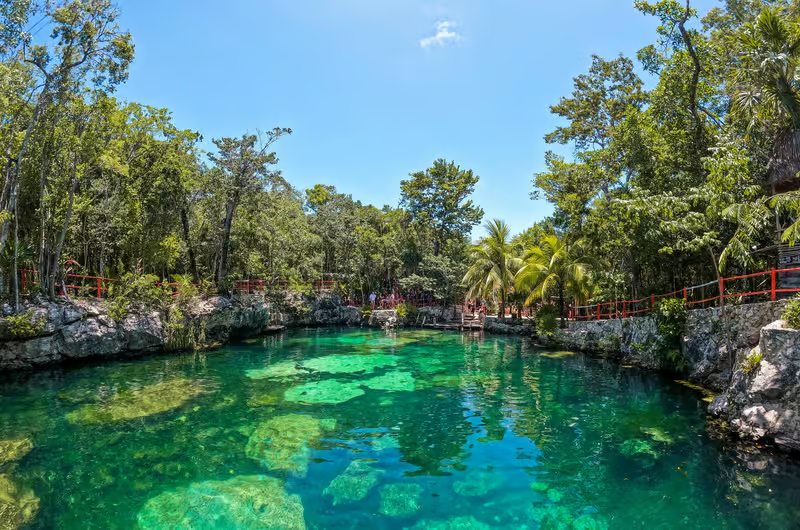
About 25 minutes from Akumal, toward Tulum. A family-friendly park with four cenotes in one location — an open cenote, a semi-open cenote, a cave cenote and a jungle cenote — plus optional guided tours. Great value if you want variety in one visit, and one of the best introductions to different cenote types. Basic entry is around $25 USD, guided full-tour packages around $40 USD.
View on Google Maps9. Zacil-Ha
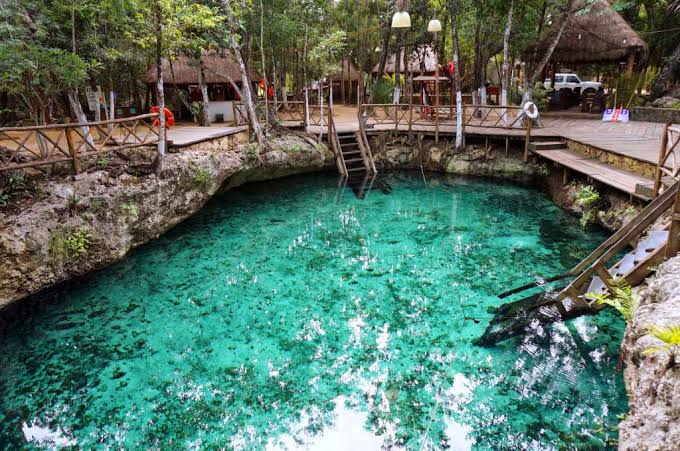
About 25 minutes from Akumal, toward Tulum. A small open cenote with brilliant turquoise water, a zipline that drops you into the pool, a slide and a shallow area for kids. Very local, very casual, and one of the more affordable cenotes in the area at around 150 MXN. Combines well with Gran Cenote or a Tulum ruins day.
View on Google MapsLocal Tip
💡Most cenotes only accept cash pesos for admission. Bring small bills and expect to pay 150–500 MXN per person depending on the cenote. Arriving right at opening (usually 8:00–9:00 AM) means fewer crowds and clearer water. Use biodegradable sunscreen only and rinse off before entering — regular sunscreens damage the delicate cave and freshwater ecosystem.
Where to stay for easy cenote access
All nine of these cenotes are within a 25-minute drive of Akumal. Guests staying at Santamar by TAO Akumal and Tulum Country Club are especially well positioned — the two closest cenotes (Azul and Cristalino) are just 10 minutes south. Book direct with PPIM for the best rates, local concierge tips, and help arranging a private driver or guided cenote tour during your stay.
Frequently asked questions
- What are the closest cenotes to Akumal?
- The two closest cenotes to Akumal are Cenote Azul and Cenote Cristalino — both clustered about 10 minutes south on Highway 307. They're also the most convenient cenotes for guests staying at Santamar by TAO and Tulum Country Club.
- Do you need a guide to swim in a cenote near Akumal?
- For open cenotes (Cenote Azul, Cristalino, Zacil-Ha) you can snorkel on your own. For cave and cavern cenotes — Dos Ojos, Sac Actun, Taak Bi Ha, Cenote Nic Te Ha and the Aktun Chen cave — you'll want a certified guide, and diving requires a full cavern/cave certification.
- How much do cenotes near Akumal cost to enter?
- Entry fees range from about 100–200 MXN (~$5–10 USD) for smaller open cenotes like Zacil-Ha up to 350–500 MXN (~$18–28 USD) for Dos Ojos, Sac Actun and the Aktun Chen park. Most cenotes are cash-only at the gate — bring small peso bills.
- Are cenotes near Akumal safe for kids and non-swimmers?
- Yes — most open cenotes have shallow platforms, ladders and life jackets included. Cenote Azul, Cristalino and Zacil-Ha all have calm, shallow entry areas ideal for young children and first-time snorkelers.
- Are cenotes affected by sargassum?
- No — cenotes are freshwater and inland, so they stay crystal clear even in peak sargassum season. If the ocean is seaweedy on your visit, cenotes are the obvious plan B. See our best time to visit Akumal guide for month-by-month sargassum forecasts.
Ready to Book Your Riviera Maya Vacation?
Browse our hand-picked vacation rentals in Akumal, Tulum, Playa del Carmen, and Puerto Aventuras. Book directly with PPIM Vacation Rentals for the best rates, secure online booking, personalized local recommendations, and support from our local team before, during, and after your stay.